

Virtual Reality University: Transforming Education with VR and AR Solutions
Author
Gerald Ferreira
Date Published

How Virtual Reality University is Redefining the Future of Education
Education has always been at the heart of human progress, but how we teach and learn is constantly evolving. In today’s fast-paced, technology-driven world, traditional educational methods are increasingly being supplemented by digital solutions. Among these, virtual reality (VR) and augmented reality (AR) stand out as transformative technologies with the potential to revolutionize the way students engage with learning. Virtual Reality University (VRU) is one such platform leading this charge, offering bespoke VR and AR learning solutions specifically designed for universities and students.
VRU's mission is simple yet profound: to enhance the quality of education by using immersive, multi-sensory experiences that go beyond the limitations of traditional learning methods. By providing a dynamic, 3D environment, VRU creates an interactive space where students can engage with their coursework in a more profound and meaningful way. This blog will explore how Virtual Reality University is revolutionizing education, the challenges and opportunities that come with it, and what the future holds for VR and AR in the academic world.
The Vision Behind Virtual Reality University
Virtual Reality University was founded on a core belief: humans are naturally programmed to learn best in environments where they can fully engage their senses. While traditional education relies heavily on verbal instruction and written materials, VRU takes a different approach, leveraging the immersive capabilities of VR and AR to simulate real-world scenarios and environments.
This belief is rooted in the idea that education should be experiential. Instead of passively absorbing information from a textbook or lecture, students using VRU can actively participate in their learning process. They can walk through a historical landmark, perform complex scientific experiments, or practice medical procedures—all from the safety and comfort of a virtual environment. This immersive approach makes abstract concepts more tangible and easier to understand, while also fostering greater retention and engagement.
Why 3D Environments Enhance Learning
Studies have shown that people retain information better when they can actively engage with it, especially in environments that closely mimic real-life scenarios. The brain processes information more effectively when all senses are involved, and this is where 3D environments come in. By placing students in a virtual world where they can move, interact, and explore, VRU taps into this natural learning process, helping students better absorb and apply the information they’re being taught.
Moreover, VR and AR allow for experiential learning, which has long been considered one of the most effective teaching methods. Experiential learning involves doing rather than just listening or reading, enabling students to develop critical thinking and problem-solving skills as they navigate through virtual environments.
The Education Metaverse: Redefining Learning
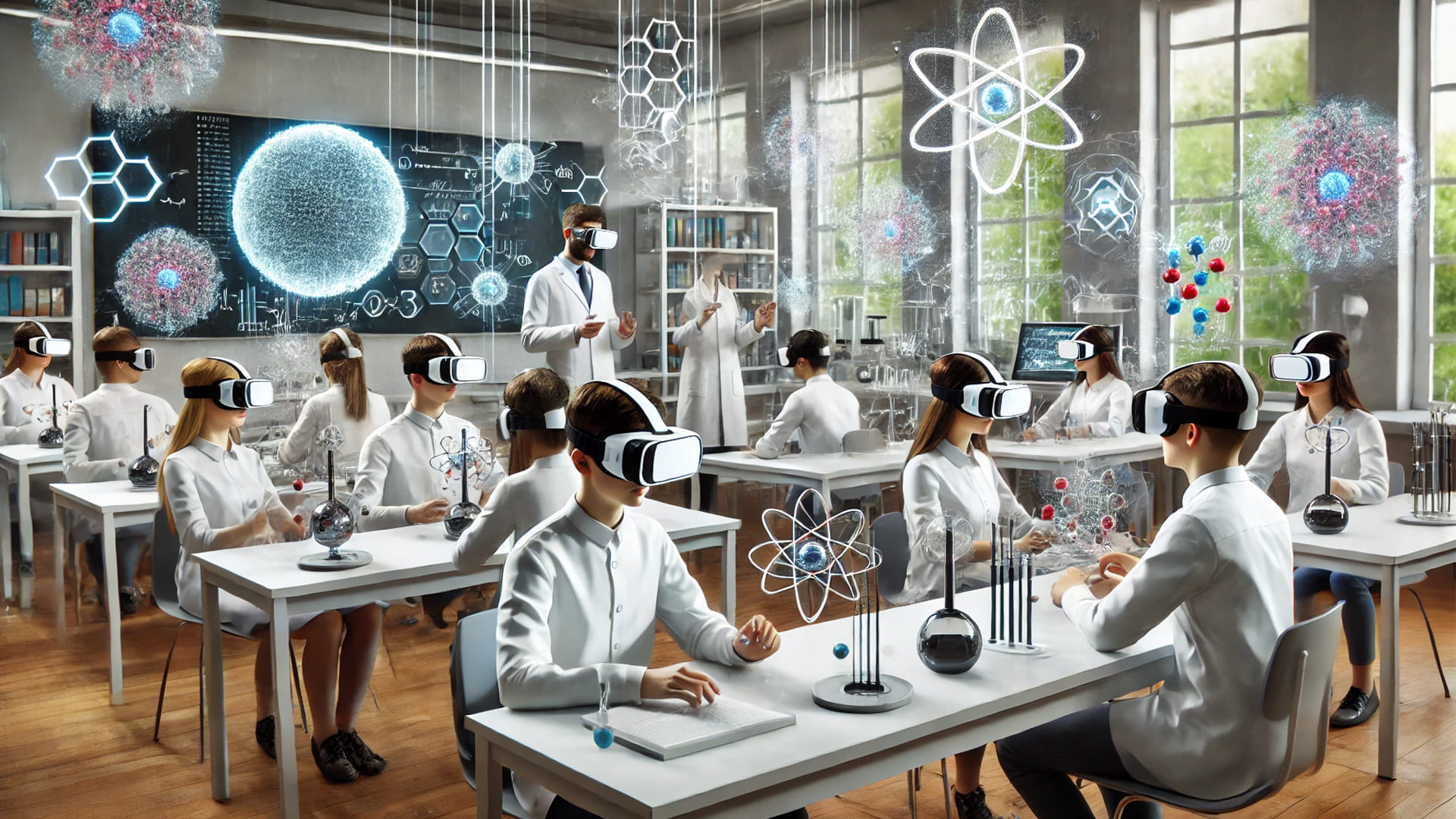
At the core of VRU’s offerings is the concept of the Education Metaverse—a virtual space where students, educators, and tutors from around the world can interact, collaborate, and learn together. This Metaverse is not just a digital classroom but a fully immersive environment where university students can engage with their coursework through simulations and real-world scenarios. Imagine a world where students can perform complex surgical procedures, practice architectural designs, or even explore the surface of Mars, all within the Metaverse.
The Education Metaverse is designed to simulate real-world experiences, offering students an unparalleled opportunity to apply their knowledge in a practical, hands-on way. For example, a biology student might conduct virtual dissections, while an engineering student could design and test a prototype in a virtual lab. The possibilities are endless, and the result is a more engaging and effective learning experience.
Collaborative Learning in the Education Metaverse
In addition to providing immersive experiences, the Education Metaverse also fosters collaboration among students and educators. One of the key features of VRU is its multi-user functionality, which allows students from different parts of the world to meet, collaborate, and learn together in real-time. This breaks down geographical barriers and creates a truly global learning community.
Whether it’s attending virtual lectures, participating in group discussions, or working on collaborative projects, the Education Metaverse offers students a wealth of opportunities to connect with their peers and educators. This collaborative learning environment encourages teamwork, communication, and the exchange of ideas, all of which are crucial skills in today’s interconnected world.

Applications of VR and AR in Higher Education
Virtual Reality University is already being used across a range of academic disciplines, from medicine to architecture, engineering, and the humanities. The flexibility and versatility of VR and AR make them ideal tools for enhancing learning in virtually any subject area. Below are some of the key applications of VR and AR in higher education:
1. Medicine and Healthcare
One of the most promising applications of VRU’s platform is in the field of medicine and healthcare. Medical students can use VR to simulate surgical procedures, allowing them to practice and refine their skills in a risk-free environment. These simulations can mimic real-world scenarios, complete with patient reactions and complications, helping students prepare for the complexities of working in a hospital or clinic.
Furthermore, VR can be used to teach anatomy in a more interactive way. Instead of studying flat diagrams or cadavers, students can explore the human body in 3D, zooming in on specific organs and systems to gain a more detailed understanding of how they work. This hands-on approach to learning has been shown to improve retention and comprehension, particularly in complex subjects like medicine.
2. Architecture and Engineering
VRU’s platform also has significant applications in fields like architecture and engineering, where students can design and interact with virtual models of their projects. For example, architecture students can use VR to walk through a building they’ve designed, assessing everything from the layout to the lighting before construction even begins. This gives them a more comprehensive understanding of their designs and helps them identify potential issues early on.
In engineering, students can use VR to simulate the operation of complex machinery, test prototypes, and even conduct virtual experiments. These simulations provide valuable hands-on experience without the cost or risk associated with physical models or machinery. By enabling students to interact with their designs in a virtual space, VRU helps them develop the practical skills they need to succeed in their field.
3. Humanities and Social Sciences
VR and AR are not limited to the hard sciences; they also have valuable applications in the humanities and social sciences. History students, for example, can use VR to explore ancient civilizations, walking through historical landmarks and experiencing what life was like in different time periods. This immersive approach to learning makes history more engaging and helps students develop a deeper understanding of the subject matter.
In the social sciences, VR can be used to simulate real-world scenarios, such as mock trials or social experiments. These simulations allow students to apply their theoretical knowledge in a practical setting, helping them develop the critical thinking and problem-solving skills needed to navigate complex social issues.
The VRU Ecosystem: Innovation and Collaboration
One of the key factors behind VRU’s success is its partnership with the Virtual Reality Innovation Hub. This collaboration allows Virtual Reality University to leverage the latest advancements in VR and AR technology, ensuring that its platform remains cutting-edge and responsive to the needs of students and educators.
The Innovation Hub specializes in developing high-end VR and AR content, providing VRU with the tools and resources needed to create immersive, interactive learning experiences. This partnership also ensures that VRU is part of a larger ecosystem of innovation, which includes the Virtual Reality School platform. Together, these platforms form a comprehensive solution for immersive education, offering tailored content that meets the specific needs of different academic disciplines.
The Role of the Virtual Reality Innovation Hub
The Virtual Reality Innovation Hub is instrumental in empowering VRU’s platform, enabling it to create VR and AR content that is not only immersive but also educationally effective. By working closely with universities, educators, and subject matter experts, the Innovation Hub ensures that the content developed for VRU is aligned with academic standards and learning objectives.
The Innovation Hub also plays a crucial role in keeping VRU at the forefront of technological advancements. As VR and AR technology continues to evolve, the Innovation Hub ensures that VRU remains adaptable and forward-thinking, ready to embrace new innovations and integrate them into the platform.
Challenges and Opportunities in Virtual Reality Education
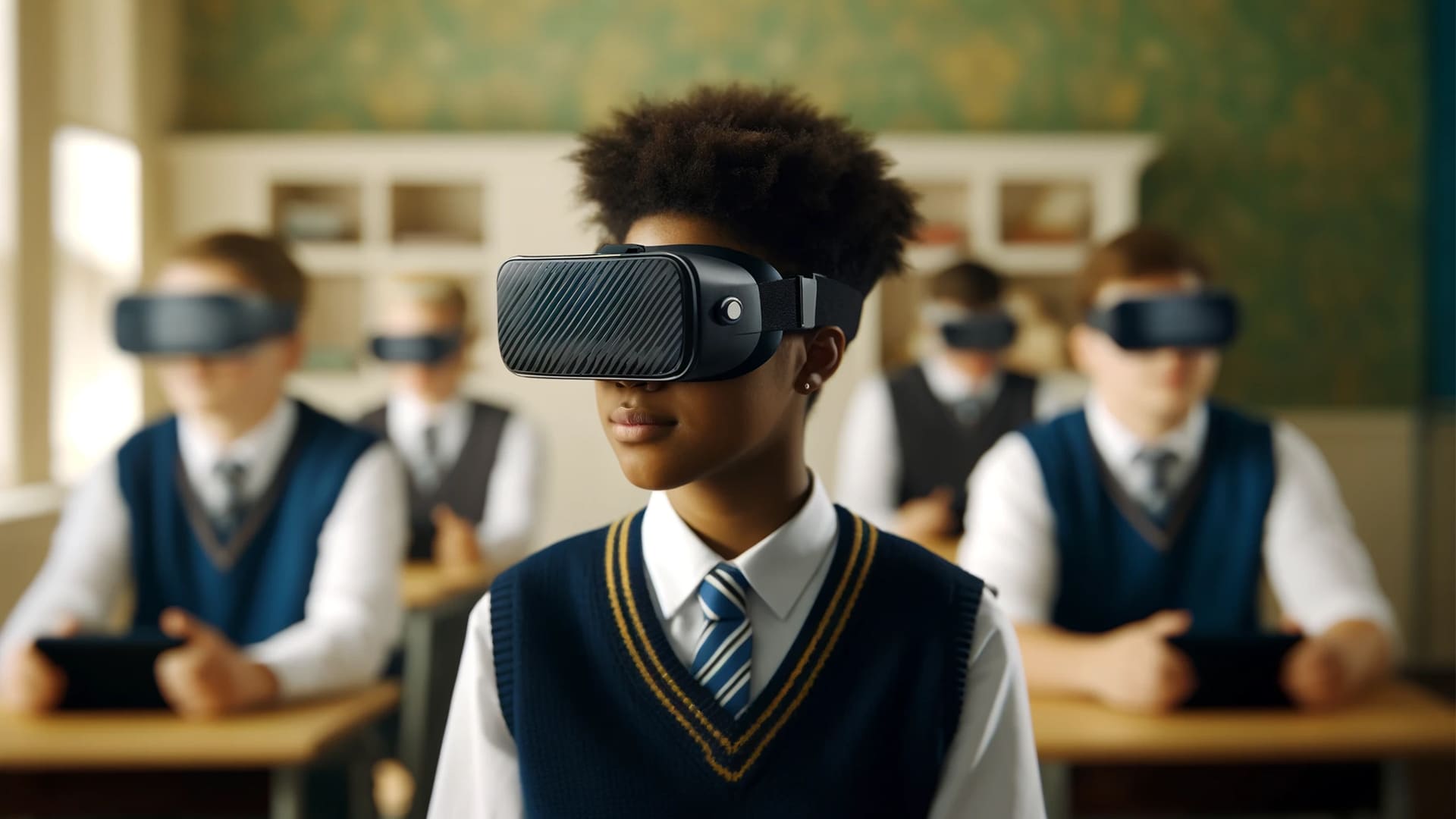
While the potential of VR and AR in education is immense, there are also challenges that must be addressed. One of the most significant hurdles is the cost of implementation. High-quality VR equipment, such as headsets and specialized software, can be expensive, making it difficult for some universities to adopt these technologies on a large scale.
However, as VR technology becomes more widespread and affordable, these barriers are gradually being reduced. VRU is committed to making its platform accessible to as many institutions as possible, and its partnership with the Virtual Reality Innovation Hub is key to achieving this goal. By continuously improving the scalability and cost-effectiveness of its solutions, VRU is working to ensure that immersive learning is within reach for all students.
Addressing the Learning Curve
Another challenge is the learning curve associated with VR technology. While younger generations tend to be more comfortable with digital tools, some students and educators may find the transition to VR-based learning intimidating. To address this, VRU provides training and support to help users get acclimated to the platform.
By offering tutorials, workshops, and on-demand assistance, VRU ensures that students and educators can make the most of the platform without being held back by technical difficulties. This commitment to support and accessibility is central to VRU’s mission of transforming education.
The Future of Virtual Reality University: A Glimpse Ahead
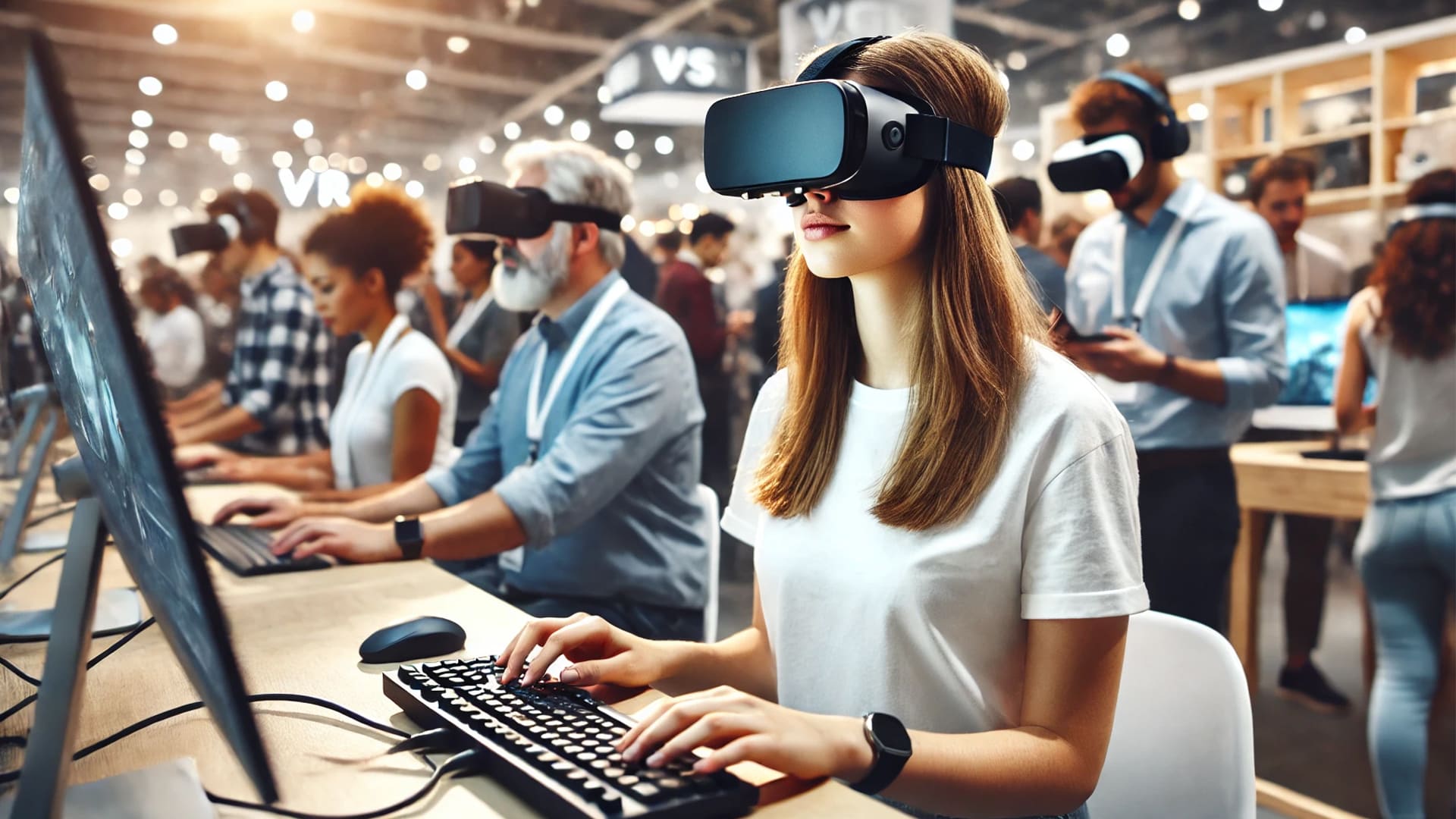
As VR and AR technologies continue to evolve, Virtual Reality University is poised to lead the way in immersive education. The potential applications of these technologies are vast, and the benefits for students and educators are undeniable. By providing a platform that combines cutting-edge technology with high-quality educational content, VRU is reshaping the future of learning.
Looking ahead, Virtual Reality University will continue to expand its offerings, integrating new features and capabilities that further enhance the learning experience. The rise of augmented reality (AR) is particularly exciting, as it opens up new possibilities for blending the virtual and
physical worlds. With AR, students can overlay virtual objects onto the real world, creating even more interactive and engaging learning environments.
In addition, as artificial intelligence (AI) becomes more integrated into VR and AR platforms, we can expect to see even more personalized and adaptive learning experiences. AI could enable VRU to tailor content to individual students’ needs, offering customized learning pathways and real-time feedback.
A New Era for Education
Virtual Reality University is at the forefront of a new era in education, where immersive technologies like VR and AR are changing the way we teach and learn. By providing universities with tailored VR and AR solutions, VRU is making experiential learning more accessible, more engaging, and more effective.
As VR and AR continue to evolve, Virtual Reality University will remain at the cutting edge, offering innovative solutions that empower students and educators alike. The future of education is immersive, interactive, and limitless—and Virtual Reality University is leading the way.